
Marche Deal Recasts Pasta and Wine as One Story
Luciana Mosconi’s move into La Monacesca shows how premium Italian brands can own more of the meal by selling place, pairing, and coherence.
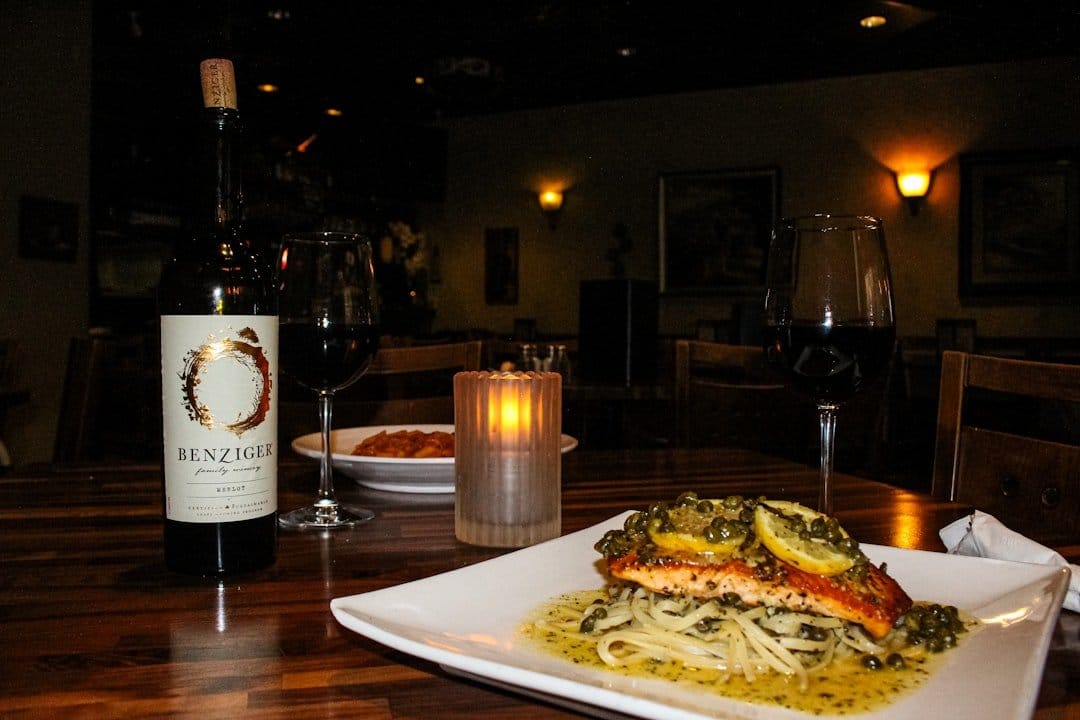
Luciana Mosconi bought 75% of La Monacesca, and my first reaction was not “interesting diversification strategy.” It was: yeah, obviously. Pasta and wine were never separate in real life. Only in spreadsheets.
That’s why Luciana Mosconi’s La Monacesca deal blurs pasta-and-wine boundaries in a way that matters beyond one tidy M&A headline. To me, this is about owning the table. Not the shelf. The table. The actual moment where someone opens a bottle, salts the water, and decides tonight they’re doing a full Marche fantasy because they saw one nice ceramic plate on Instagram and got carried away.
I’m honestly surprised it took this long.
I was in Milan recently at one of those dinners where, somehow, startup vocabulary sneaks in between courses. Half the table was talking about “brand worlds,” which is a phrase I hate so much it almost ruined the risotto. But the idea is right. Luxury figured this out years ago. LVMH doesn’t sell isolated products. It sells a universe. Meanwhile a lot of Italian food companies still act like pasta, wine, and olive oil live in separate browser tabs. Cute. Consumers moved on.
The Luciana Mosconi La Monacesca deal is not niche. It’s a power move.
Here are the facts, quickly. According to WineNews, Luciana Mosconi acquired 75% of Cantina La Monacesca. The pasta group has two factories, in Matelica and Ancona, and exports to more than 30 countries. So no, this is not some rich-family side quest after too much lunch and one episode of Succession.
La Monacesca is not decorative either. WineNews says it has 56 hectares total, 33 under vine, plus two wineries, in Matelica and Porto Potenza Picena, with potential for more than 100,000 bottles. That’s real scale. Big enough to matter, small enough to still feel like a winery and not an airport.
The key phrase in the reporting is “profound strategic affinity” and, for once, I don’t hate the corporate wording. Both brands sit in the premium lane. This feels less like “we need another revenue stream” and more like “we want to control a fuller story.”
That’s the smart version of ambition.
I’ve seen the dumb version. Years ago in New York I went to a tasting where a food brand tried to expand its “lifestyle presence” by slapping its logo on random products that had no reason to exist together. It felt like brand cosplay. This is different because pasta and wine already belong together in people’s heads. The company is just catching up to reality.
WineNews says Luciana Mosconi is entering wine “through the front door.” Exactly. Buying into a benchmark producer of Verdicchio di Matelica is not flirting. It’s showing up in a tailored jacket and asking for the keys.
This is really a Made in Marche play
The real product here is not just pasta or wine. It’s Marche.
I know. “Territory” is one of those words Italian food people repeat until it starts sounding like candle copy. But in this case it’s actually the point. WineNews and the Labitalia report carried by La Sicilia both frame the deal around building an agri-food pole in Marche, even a multi-brand made-in-Marche project. That’s not empty patriotic confetti. That’s a blueprint.
And the geography matters. Both companies are tied to Matelica, with Luciana Mosconi also anchored in Ancona. That matters because Matelica is not Tuscany. You don’t get free global recognition just by existing there. Nobody in Los Angeles is casually name-dropping Matelica on a first date unless they’re either very cool or deeply annoying. Sometimes both.
So if you build around Matelica, you actually believe in the place.
That’s why I think the territorial bond is the whole story. Yes, the official language says Luciana Mosconi is consolidating its bond with the territory. Fine. Corporate statement. But underneath that is something real: if you can stack regional identity across categories, people remember the combination better than any single SKU.
That’s how memory works at the table. Nobody remembers “a premium dry egg pasta brand.” They remember one dinner. Tagliatelle, a sharp mineral Verdicchio, somebody saying both came from the same corner of Marche, maybe one person pretending they can taste limestone. One is product information. The other is a scene.
My nonna never talked about food in categories. She talked in meals. Facciamo questo, ci vuole quello. If we make rabbit, we need this wine. If we do lasagne, set the table properly. That instinct is old-world, but the companies finally catching up to it are doing something very modern: selling coherence.
And coherence is worth money.
The smartest part? Aldo Cifola didn’t really leave.
The detail I liked most is also the one that makes this feel less extractive: Aldo Cifola keeps 25% and stays in charge of agricultural and production management. WineNews says that’s meant to guarantee continuity.
Good.
Because wine is not toothpaste. You can’t “optimize” vineyard identity the way you optimize packaging logistics and expect nothing to break. The danger starts when someone from outside says “rationalize the portfolio” before they understand what the vines are doing.
Cifola is not ceremonial founder wallpaper either. The reporting calls him a visionary, a pioneer of Verdicchio, basically a reference point for the category. If you’re buying La Monacesca, that human capital is not a side note. It’s the thing. Remove it and you risk ending up with a technically efficient brand and spiritually dead wine, which, congratulations, now you’ve built an airport lounge.
The proof is Mirum. According to WineNews, La Monacesca’s flagship was born in 1988 and is produced only in the best vintages. That one detail tells you almost everything. Selectivity. Patience. A willingness to leave money on the table rather than dilute the signal.
That’s not prestige theater. That’s discipline.
I’ve had enough overhyped Italian wines in America to know how rare that discipline can feel once export demand gets loud. Sometimes a bottle arrives with a gorgeous backstory and then tastes like the brand manager won an internal argument. Mirum has the opposite reputation because it was built slowly. Keeping Cifola involved is not sentimental. It’s strategic self-control.
Also, I’ll admit something I don’t love admitting because I’m usually the guy yelling about innovation: growth makes me nervous when it touches heritage products I actually care about. I’ve watched too many beloved food brands expand, “modernize,” and quietly sand off the weird edges that made them worth loving. The fact that Cifola stays in charge of the agricultural side makes me less cynical than usual, which is saying a lot.

Premium is not a price point. It’s distribution.
“Premium” is one of the most abused words in food. Usually it means somebody raised the price and hired a photographer who loves shadows. But in pasta and wine, premium only works if the right box or bottle lands in the right channel, in front of the right customer, with the right context. Otherwise it’s just expensive inventory under flattering lighting.
That’s why the distribution part of this deal is the engine, not the boring back-office bit. According to WineNews, the shared goal is to grow La Monacesca’s brand image and distribution in Italy and abroad. Luciana Mosconi already exports to more than 30 countries. That matters more than people think.
If you’re already talking to importers, retailers, hospitality buyers, and distributors around the world, adding a winery is not just adding a product. It gives you a better reason to be in the room.
Imagine you’re a buyer in Toronto, London, or Tokyo. One pitch is: here’s our excellent dry egg pasta. Nice. The other is: here’s a premium Marche story, with pasta and a benchmark Verdicchio di Matelica that completes the table. Which one are you remembering a week later?
Exactly.
The operation was coordinated by Lorenzo Tersi of LT Wine&Food Advisory, according to WineNews, which also tells me this wasn’t some impulsive founder move after two bottles and a long lunch in the hills. Adults were involved. Structure existed. The fit was intentional.
And I keep coming back to that phrase, “strategic affinity.” Usually I’d roll my eyes hard enough to see my childhood. Here, it fits. These are two brands built around excellence and positioning, not around chasing the broad middle. They don’t need to explain each other. They already speak the same language.
The real boundary being blurred is product vs. experience
This is the less sexy but more important point: consumers do not think in silos. They think in dinners, gifts, pairings, restaurant lists, tasting menus, holiday boxes, and “what do I bring to these people’s house so they think I have my life together?” That last category alone could fund half the premium food economy.
So when I say Luciana Mosconi’s La Monacesca deal blurs pasta-and-wine boundaries, I don’t mean it in some trend-report way. I mean the boundary was already fake. Customers killed it years ago. Brands are just now admitting it.
Labitalia reports that Luciana Mosconi already spans dry egg pasta, fresh filled pasta, fresh unfilled pasta, and semola, reinforced by the recent Pasta Ercoli acquisition. That’s not a narrow pasta company anymore. That’s a company covering a serious chunk of the meal.
And once you’re there, wine is the logical next move if you want more of the occasion without betraying your identity. Not branded aprons because someone in marketing got bored. Not random “lifestyle” extensions. Wine. The bottle is already next to the plate. The emotional pairing already exists. The company just decided to stop pretending those revenues belong in separate universes.
I saw this years ago in Eataly, before half the internet became too cool for it. Whatever you think of Farinetti’s empire, he understood something basic: people buy Italian food as a composed experience. Pasta next to wine next to sauce next to a story about place. The genius was not bundling products. It was bundling context.
Same logic here. Just tighter. More regional. Less theme park, hopefully.
And yes, there’s risk. Experience-driven branding can get cheesy fast. One mood board too many and suddenly everything is “heritage” in the same beige font. I hate that stuff. But when it’s anchored in real production (Matelica, Verdicchio Riserva Docg, dry egg pasta, actual factories in Ancona and Matelica) the experience isn’t fake. It’s just being packaged coherently for once.
That’s why I don’t see this as mission creep. I see it as the endgame of premium food branding. Customers buy cohesion. The brands that understand that will take more of the margin. The ones that don’t will keep acting shocked when somebody else owns the richer part of the story.
If this works, more Italian food brands will start acting like fashion houses
I don’t mean every pasta company is about to buy a winery. Some of them can barely manage their own labels, figuratively and literally. But I do think more Italian food businesses will start building curated ecosystems around region, taste, and lifestyle the way fashion houses build worlds around aesthetics.
That’s why this deal is such a useful test case. Labitalia says it strengthens La Monacesca’s commercial potential while enriching both companies with complementary know-how, all while respecting their separate identities. That last part is the whole game. The dumb version of consolidation flattens everything into one master-brand soup where every product starts sounding like an intern wrote it.
Nobody needs more “Italian excellence” mush.
What works is specificity. Marche. Matelica. Verdicchio. Egg pasta. Mirum. Those words have edges. They exclude as much as they include, and premium brands need that. Broad appeal is overrated when what you’re selling is distinction.
Luxury learned this forever ago. Brunello Cucinelli is not selling cashmere. He’s selling Solomeo, an ethic, a fantasy of tasteful civilization. I know how that sounds. It’s still true. In food, the equivalent is a company that doesn’t just sell pasta or wine, but a whole coherent world you actually want to enter because it feels culturally intact.
That’s what this Marche project could become if they don’t mess it up.
And yes, that “if” is doing heavy lifting. There’s always the temptation to scale the story faster than the substance. Throw together some gift boxes, slap “Made in Marche” everywhere, call it innovation, and go home. Please don’t. Consumers can smell fake coherence almost as fast as they can smell burnt garlic.
The better path is slower. Protect La Monacesca’s identity. Keep Aldo Cifola visible. Let Mirum stay selective. Use Luciana Mosconi’s distribution muscle intelligently, not aggressively. Build combinations people actually want (restaurant collaborations, export pairings, maybe hospitality later) without turning the whole thing into a folklore theme park for foreign buyers.
I think the winners in Italian food over the next few years will be the ones who stop selling single products and start selling coherent worlds. Not generic lifestyle sludge. Worlds with coordinates. Worlds with names you can point to on a map.
And if Luciana Mosconi pulls this off, if it makes pasta and Verdicchio di Matelica feel like one believable Marche story without sanding off La Monacesca’s soul, a lot of Italian food brands are going to look weirdly under-ambitious very soon.
Because the real margin was never in selling one product beautifully.
It’s in owning the whole table.
Sources
- Primary trending article
- Il 75% de La Monacesca al pastificio Luciana Mosconi: obiettivo polo agroalimentare delle Marche
- Vino: Gruppo Luciana Mosconi acquisisce 75% cantina La Monacesca di Matelica