
Hidden Gems in Southern Italy That Still Feel Real
Calabria, Maratea, and slow-travel Puglia for travelers who want beauty, food, and places that still feel unmistakably Italian.
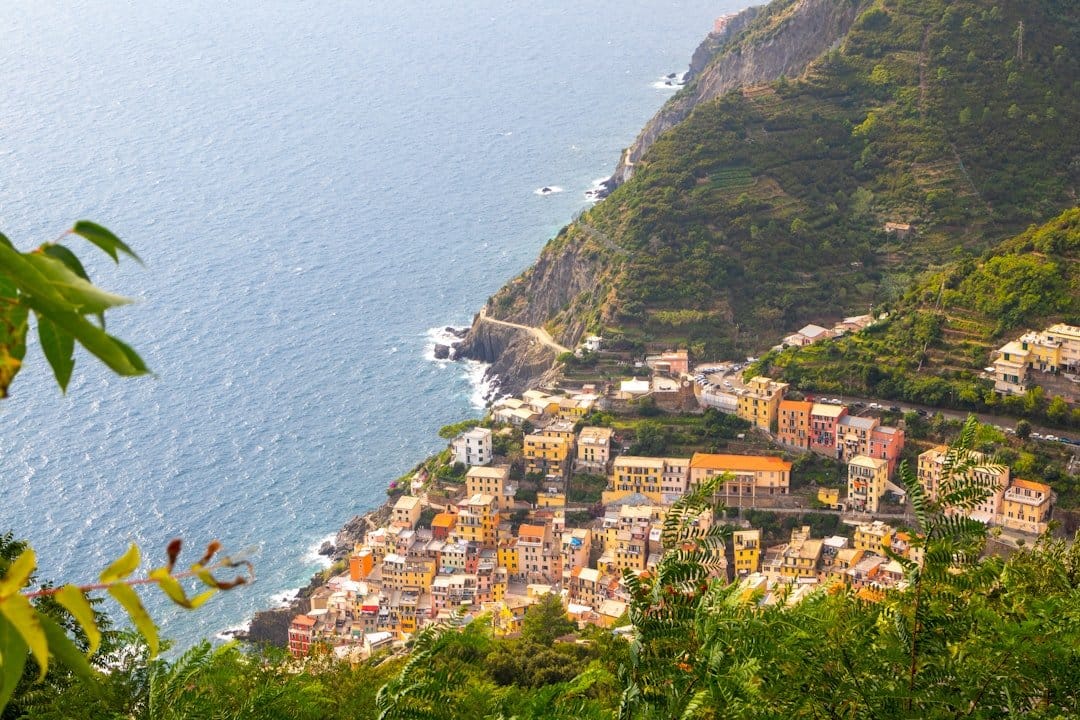
The second somebody calls a place one of the hidden gems in Southern Italy, I assume it has about nine business days left before a drone guy ruins it. You know the type: beige linen shirt, tragic hat, caption like “Europe’s best-kept secret” as if he personally invented the coastline.
And yet. The south still has places that haven’t been flattened into content slurry. Places where the sea is stupidly beautiful, lunch turns into a three-hour event by accident, and nobody is charging you €24 for a spritz served with eye contact trained by hospitality consultants. When I want Italy that still feels like Italy, I go south.
Not because it’s “undiscovered.”
Because it still has a pulse.
I’m not doing the fake travel-writer thing where I promise you towns with “no tourists.” That place does not exist. Or if it does, it has one bus a day, no decent coffee, and a man named Franco judging you from a plastic chair. I’m talking about the places I’d actually send a friend who wants sea, food, a little chaos, and that very specific feeling of being somewhere that hasn’t started performing for strangers.
Which is rarer than a good airport cappuccino. By a lot.
Stop Looking for “Undiscovered.” Look for “Still Themselves.”
The phrase hidden gems in Southern Italy is kind of broken, but we all know what people mean. They don’t mean “please send me somewhere impossible to reach with no infrastructure and one heroic goat.” They mean: I want beauty without the circus.
Same.
The problem is, truly hidden places either stay hidden because they’re inconvenient, or they stop being hidden the second the algorithm sniffs blood. So I think the smarter move is looking for places that are still themselves. Places still running on local rhythm. Places a little inconvenient on purpose. Places more interested in lunch than your itinerary.
That friction is part of the charm.
I’m always suspicious of anywhere that feels too ready to be looked at. Every table angled for photos. Every storefront scrubbed into the same tasteful beige. Every tradition repackaged as a “concept.” Southern Italy, when it’s good, has the opposite energy. Less polished. More specific. More human.
I grew up around enough Italy to know the difference between a place performing Italy and a place just being Italy. The south still gives me that second feeling. Laundry on balconies. Espresso bars packed at 8 a.m. with old men doing gossip operations. A lunch that quietly kills the rest of your day because someone’s aunt brought anchovies, then pasta, then peaches, then amaro, and now your plans are dead. Perfetto.
That’s not a hidden gem. That’s just life.
Calabria Is What People Think They’re Booking When They Book Amalfi
Here’s my mildly aggressive opinion: if what you want is cliffs, sea, old towns, and food with actual personality, Calabria is what you think you’re getting when you book Amalfi.
Not because it’s “the next Amalfi.” Dio ce ne scampi. The last thing Calabria needs is to become a luxury obstacle course for people in matching resort wear. I mean it gives you the beauty without the weird feeling that you’re inside a very expensive screensaver.
Tropea is usually where people start. And yes, Tropea is gorgeous. Irritatingly gorgeous. The kind of place where the water looks so fake you start checking whether your sunglasses are lying to you. There’s a former 16th-century convent up above the coast, Villa Paola, looking out over the beaches and cliffs like somebody built a retreat for dramatic saints.
But what matters more to me is that Tropea still tastes like Calabria. You’ve got the sweet red Tropea onions, proper spicy ’nduja, and tartufo that can genuinely alter your mood. Last summer I had tartufo after dinner there and went completely silent for a full minute like I’d just learned something devastating but useful about myself.
That’s dessert. That’s range.
Tropea gets the attention, but Calabria gets better when you keep moving.
Scilla is one of those places that sounds fake because it’s too on the nose. Mythology, fishing village, swordfish, absurd waterfront, zero need to charm you. It doesn’t feel curated. It feels inherited. Usually that’s how I know I should stay.
Then there’s Reggio Calabria, which too many people skip because they’re chasing postcard towns like they’re collecting Pokémon. Terrible strategy. Reggio has grit, scale, actual city energy, and one of the best flexes in the country: the Bronzes of Riace at the Museo Nazionale della Magna Grecia. Local fishermen found them in 1972, which is still the funniest possible origin story for some of the most important classical Greek bronzes on earth. Imagine pulling up your nets and accidentally changing art history. I can’t even keep track of my AirPods.
What I love about Calabria is that it doesn’t flatter you. It welcomes you, sure. It feeds you aggressively. It gives you those ridiculous sea views and long evening promenades where everything turns gold for five minutes. But it doesn’t explain itself too much. You have to pay attention. You have to slow down. You have to accept that the best meal might be in a room with bad lighting and no English menu.
That’s why it works.
Also, tiny confession: the first time I spent real time in Calabria, I felt a little dumb. I’m Italian, I’ve spent a lot of time in Italy, and I still realized how much of the country I’d been filtering through the greatest-hits playlist. Rome, Florence, Amalfi, repeat. Calabria felt like discovering I’d been watching the trailer instead of the movie.
Humbling. In a good way.
Maratea Has the Beauty-to-Hype Ratio Everyone Claims to Want
If Calabria is the region I’ll defend at dinner until someone changes the subject, Maratea is the place I’d actually send you for a summer trip.
The beauty-to-hype ratio is absurd.
Maratea runs along Basilicata’s Tyrrhenian coast, and what makes it special is that it’s not one overly polished little town with a strong personal brand. It’s a cluster of mountain and seaside hamlets, a historic center, little roads, sea views, old houses, and that layered feeling that usually disappears the second a place gets too famous.
It has range, basically.
You can do coffee in the centro storico, disappear for a swim later, drive through piney mountain roads, then end up at aperitivo with a view that would absolutely be overrun by linen influencers if it were a bit farther north. But Maratea isn’t trying to be one thing. Not rustic cosplay. Not polished glamour. Not “authentic” in that deeply unauthentic marketing way.
It just exists. Beautifully.
And I trust places like that more.
My favorite trips are never the ones where I ticked off the most highlights. They’re the ones where I remember the mood. In Maratea, I’d remember a coffee in the piazza more than any one attraction. The silence after a swim. A dinner that took forever because of course it did. The feeling that nobody was trying to extract maximum value from my presence every fifteen minutes.
That’s a luxury now, weirdly.
And yes, if a town has a pastry worth detouring for, I immediately take it more seriously. Maratea has bocconotto at Pasticceria Panza — shortcrust pastry, cream, black cherry, no notes. Show me the local pastry and I’ll tell you whether the place has a soul faster than any boutique hotel website can.
Maratea works because ordinary life is still happening in the frame. That’s what people are usually looking for, even if they don’t know how to say it.
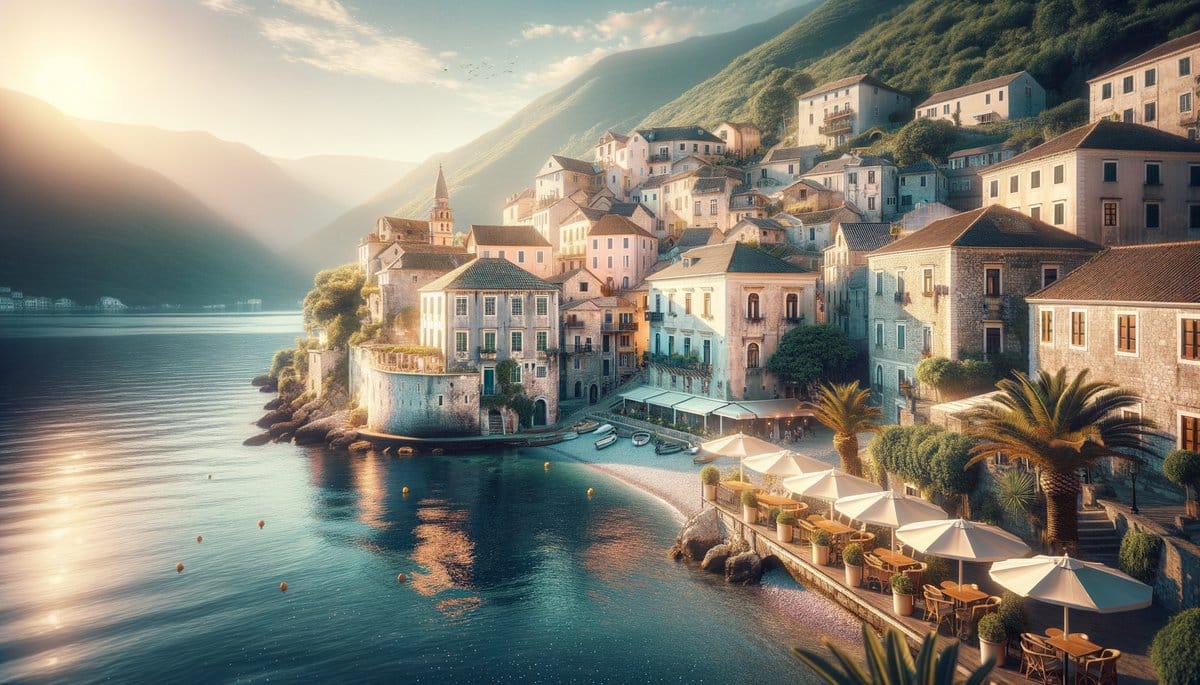
Puglia Isn’t Hidden. Most People Just Do It Wrong.
Now, Puglia.
Let’s be honest: calling Puglia one of the hidden gems in Southern Italy in 2026 is a little embarrassing. The white towns are on every mood board. The masserie are booked out. Someone you know has already posted Ostuni with a caption like “still dreaming” and 14 nearly identical sunset photos.
The secret is not that Puglia is hidden.
The secret is that most people rush it.
That’s why they leave thinking it was pretty but somehow don’t quite get why people love it. Puglia is not a speedrun. It’s a place that opens up slowly, almost rudely slowly, like it wants to see whether you deserve the good version.
I relate to this badly because I’ve spent years in founder mode, trying to optimize every hour of my life like I’m about to take my calendar public. It’s a terrible way to travel in the south. Honestly, a terrible way to exist, but one breakdown at a time.
The real luxury now isn’t exclusivity. It’s time. Spaciousness. Staying somewhere long enough that the barista stops being polite and starts being honest.
Salento especially rewards that. Long drives. Beach towns. Random inland detours. Lunches that wreck your schedule. One of my favorite days in Puglia would look incredibly unimpressive on paper: a slow drive, tomatoes that tasted suspiciously expensive, a long swim, and a dinner so simple it made half the tasting menus I’ve sat through feel like PowerPoint presentations.
Some of the best hidden gems in Southern Italy only feel hidden when you stop trying to consume them efficiently.
That’s my take.
A place starts to feel “overdone” when you hit it too fast. Top three spots. Expected photos. Mild complaint about tourists. Zero real contact with the place itself. Puglia doesn’t want your efficiency. It wants your patience.
And the food makes that very obvious. Southern Italian food is hyper-specific. Not “Italian” in the vague export version. I mean this town, this season, this family, this shape of pasta, this olive oil, this tomato, this way. If you blast through Puglia with a checklist, you flatten the exact thing you came for.
The hidden part isn’t always the place.
Sometimes it’s the pace.
If the Food Is Generic, the Place Probably Is Too
I have a brutally simple travel rule: if the food feels generic, the place probably does too.
Harsh? Sure. Also correct.
A destination can fake charm for a weekend. It can restore facades, sell you linen, hang some ceramic lemons around, and act like that counts as culture. But food tells the truth fast. If the menu has been sanded down for mass appeal, if everything tastes vaguely “Italian” but not specifically local, if nobody serving it seems emotionally invested, I’m already mentally leaving.
Southern Italy’s best places are scenic, yes, but they’re also edible in a very specific way. Calabria gives you Tropea onions, ’nduja, tartufo. Maratea gives you bocconotto from a real pastry shop, not because some consultant decided pastries increase engagement but because that’s what belongs there. That’s the difference.
Italy makes sense when you understand that regional specificity is the whole game. Not just pasta, but this pasta. Not just dessert, but this absurdly local dessert your cousin’s friend’s aunt insists is better in the next town over. Which, to be fair, she may be right about.
That’s what I look for.
If a place feeds you like it actually lives there, stay longer. If lunch feels like an extension of the landscape, if dessert is weirdly specific, if the waiter looks mildly offended when you ask for substitutions — ottimo. You’re probably somewhere real.
Yes, I know I’m being dramatic.
I’m Italian. What did you expect?
The Real Question Isn’t Whether It’s Hidden
Maybe the best hidden gems in Southern Italy won’t stay hidden. That’s the deal now. A beautiful place gets photographed, tagged, packaged, and slowly turned into a backdrop for other people’s personalities. Not ideal. Also not new.
But there’s still a difference between a place being known and a place being hollowed out.
The better question is whether you know how to travel without sanding the edges off everything you touch. Go south with patience. Order the local thing. Stay the extra day. Accept a little friction. Turn your main-character settings down a notch.
Do that, and Southern Italy gives you the good stuff.
Not perfection. Better.
A pulse.
And once you’ve felt that, the content version starts to look very cheap.